

Factors impacting cash flow to creditors include interest rates, payment terms, and borrowing costs. Higher interest rates can increase the amount owed, while longer payment terms can delay cash inflows. Negative cash flow to creditors occurs when a company pays more to its creditors than it receives from them. This suggests that the company relies heavily on borrowing, potentially facing financial strain and increased interest expenses. Deduct the dividends paid to shareholders from the company’s available cash, painting a clearer picture of how much free cash flow remains after satisfying shareholder expectations. Dividend payout refers to the distribution of profits by a company to its shareholders in proportion to their ownership.

The Experts Behind the Numbers: Roles in Cash Flow Management and Analysis
- It’s an indicator of a company’s ability to sustain its operations and meet its financial obligations.
- Remember, this section aims to provide a comprehensive understanding of cash flow statements without explicitly stating the section title.
- Short-term debt, such as commercial paper or revolving lines of credit, can see high turnover.
- A positive figure indicates that the company is paying its creditors regularly, while a negative figure suggests that it is failing to do so.
- If a negative operating cash flow necessitates the issuance of new debt to fund working capital or minor capital expenditures, this is a severe warning sign.
- Because the 10-Q filings are unaudited, exercise extra caution when making investment decisions.
Industry benchmarks provide a basis for evaluating a company’s performance against its peers and identifying potential areas for improvement. Once you locate the desired filing, carefully review each section, paying close attention to the management discussion and analysis (MD&A). This section explores the distinct contributions of these key players and their collective impact on creditor decisions. Each type of creditor has a vested interest in the borrower’s ability to repay their obligations. Failure to do so can result in financial losses for the creditor, ranging from delayed payments to outright defaults. Bond indices serve as a critical gauge for Certified Public Accountant assessing the performance of the bond market, offering…
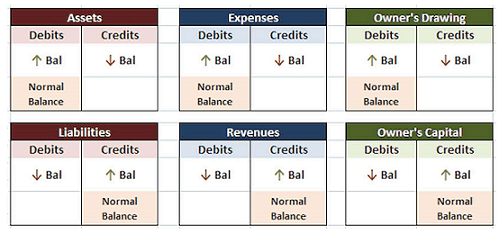
What Is Cash Flow to Creditors and How Is It Calculated?
In conclusion, calculating cash flow to creditors is crucial in understanding a company’s financial health. By analyzing the cash flow from operating and financing activities and subtracting dividends paid to shareholders, you can determine the net cash flow to creditors. This insightful calculation provides valuable insights into how much money a company owes to its creditors and helps evaluate its ability to meet debt obligations. Understanding this concept allows for informed decision-making regarding investments and financial planning.
How to calculate initiative bonus 5e
- This statement reveals not only where cash is coming from but also where it is being used, enabling a more accurate assessment of a company’s ability to meet its short-term obligations.
- A Cash Flow to Creditors figure that is consistently Near Zero suggests the company is maintaining a stable debt level.
- Industries with longer credit terms or higher trade payables may experience fluctuations in their cash flows as well.
- Interest paid can be seen as a sort of “fuel” that keeps the engine of your business running smoothly.
- This analysis provides valuable insights into a company’s ability to manage its debts effectively and maintain strong creditworthiness in the market.
- Analysts, investors, and creditors use these ratios to make informed decisions about a company’s creditworthiness and stability.
The Cash Flow to Creditors Formula is a metric used to measure the amount and timing of payments a business makes to its creditors. It represents the total amount of cash paid out to creditors as part of routine operations, minus any changes in trade credit or other non-cash payments. A positive figure indicates that the company is paying its creditors regularly, while a negative figure suggests that it is failing to do so. By understanding this figure, businesses can better manage their cash flow and make sure that they are honoring their commitments to their creditors. Traditionally, understanding the liquidity and financial stability of a company involves analyzing its cash flows.
- Creditors rely on these insights to assess the risk-reward profile of extending credit, determining the appropriate interest rates and loan terms.
- When interpreting cash flow statements, it is essential to delve into the nuances and understand the intricacies involved.
- By understanding this concept, you can make informed decisions about managing your debt and optimizing your cash flow.
- Analyzing the CFC figure must always be tied to the company’s industry and maturity cycle.
- Remember that while financing activities impact cash flow to creditors, they also intertwine with investing and operating activities, forming a holistic picture of a company’s financial performance.
- A positive cash flow to creditors implies responsible debt management; negative could raise concerns.
- For example, businesses with high debt levels may have higher cash outflows towards interest payments and principal repayments compared to companies with lower debt levels.
A Visitors Guide to Viña del Mar, Chile
It is crucial to note that the preparation of the Cash Flow Statement must adhere to Generally Accepted Accounting Principles (GAAP). GAAP ensures consistency and comparability across financial statements, enabling creditors to make informed decisions based on reliable information. Deviation from GAAP standards can significantly impact the accuracy and reliability of the statement, potentially misleading creditors. If a company reports $1,000,000 in interest expense and faces a blended marginal corporate tax rate of 25%, the effective cash outflow is only $750,000. This $250,000 difference represents the tax savings generated by the interest deduction. This adjustment is performed because the goal of CFC is to measure the actual cash flow available to capital providers.
Cash flow to creditors specifically shows the net flow of cash between a company and its lenders, indicating the company’s debt management efficiency. Cash flow to creditors and cash flow to shareholders differ in terms of who receives the money. Creditors receive cash flow from interest payments, while shareholders receive it from dividends. Understanding and evaluating the relationship between dividend payout and cash flow to creditors enables stakeholders to make informed decisions about investing or extending credit.
How Is Depreciation Shown on the Balance Sheet?

The precise location of the interest payment on the Statement of Cash Flows can vary. Regardless of the presentation method, the after-tax calculation ensures the metric accurately reflects the economic reality of the debt service obligation. Using the nominal interest expense without the tax adjustment would overstate the actual cash burden on the firm. The 10-Q is a quarterly report that provides unaudited financial statements and updates on a company’s performance.
- It provides valuable information about a company’s liquidity, solvency, and financial health.
- These adjustments account for non-cash items that affect net income but do not involve an actual inflow or outflow of cash.
- When you’re calculating the cash flow to creditors formula, these non-cash items need careful consideration.
- The Cash Flow Statement, particularly when prepared using the indirect method, requires adjustments to Net Income to arrive at the true cash flow from operations.
- Now you can transition into determining cash flow from financing activities without skipping a beat.
Imagine you’re running a lemonade stand; most of your expenses are related to lemons, sugar, and cups—cash transactions. However, if someone gives you free lemons as a promotion, that’s a non-cash item in your cash flow to creditors formula business operations but doesn’t affect your actual cash flow. Cash Flow to Creditors, or CFC, essentially measures the amount of cash available to pay creditors over a specific period. By diving into this aspect, we can see how well a business is handling its financial obligations without relying solely on profits. Understanding these components helps in gauging not just how much interest you’re paying but also how effective your debt management strategies are. Look for any payments made towards long-term debt and identify repayments or issuance of long-term debt.
Importance in Financial Analysis
Understanding how to dissect and interpret the critical components that shape a company’s cash flow is paramount for making informed lending decisions and mitigating risk. This section will delve into the key elements that creditors must scrutinize, including interest expense, principal payments, the overall debt structure, and essential non-cash adjustments. If you want to understand how money flows from your business to its creditors, calculating cash flow to creditors is essential.
Remember that effective debt management contributes to long-term success and stability. It’s akin to deciding whether to switch from bottled water to tap water in order to cut costs without sacrificing quality. By making such informed decisions, businesses can ensure they have enough liquidity to meet other financial obligations and invest in growth opportunities. Conversely, a negative CFC indicates the company received more cash from creditors than it paid out. A negative value arises when a firm’s new borrowing https://wordpress-703030-5535275.cloudwaysapps.com/2023/12/08/meal-reimbursement-rules-rates-2025-complete-guide/ significantly outweighs the combined total of its principal repayments and after-tax interest expense.
